
By Agbara Bethel
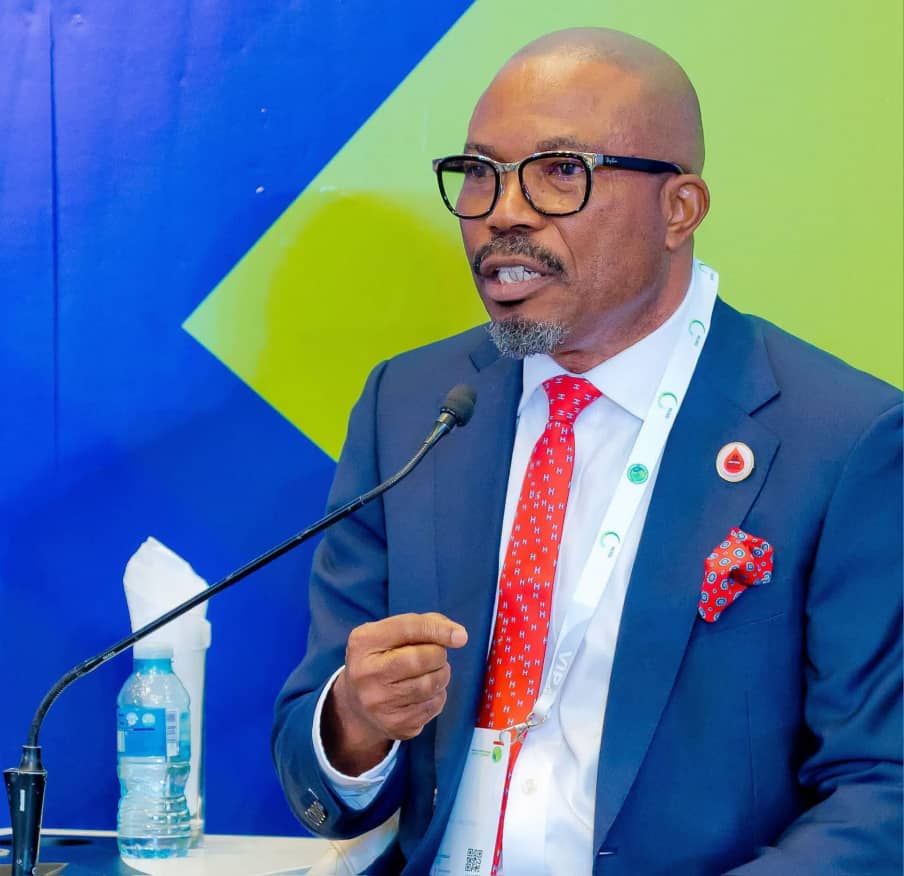
Managing Director of Global Process and Pipeline Services Limited and Vice Chairman of Petroleum Technology Association of Nigeria (PETAN), Engr. Obi Uzu has urged Nigerian Oil and Gas service companies to strengthen their technological capabilities, invest in human capital and institutionalize sustainable corporate governance if they are to fully benefit from the wave of investments flowing into the country’s energy sector.
Speaking during a panel session at NOG Energy Week 2026, Engr. Uzu responded to questions on how indigenous service companies are positioning themselves to maximize the growing number of Oil and Gas projects and ensure that more value is retained within Nigeria. He argued that while policies promoting local content remain important, true local content is ultimately built on capacity.
According to him, capacity extends beyond regulations and policies to encompass technology, skilled manpower, infrastructure and sustainable business structures that enable Nigerian companies to compete globally. He noted that the Nigerian Content Development and Monitoring Board (NCDMB) has created a model that several African countries are beginning to emulate. He cautioned, however, that protective local content policies alone cannot deliver results without the technical and operational capacity to execute complex projects.
Technology as a Competitive Advantage: Highlighting technology as the first pillar of capacity development, Uzu said indigenous companies must continuously modernize their operations by embracing innovation and forming strategic international collaborations. The veteran engineer observed that the era of merely serving as local representatives for foreign firms is giving way to partnerships that facilitate genuine technology transfer and proficiency development. Drawing from his company’s experience, he explained that investments have been made in robotic technologies for tank cleaning and robotic inspection systems, significantly reducing human exposure to hazardous environments while improving operational efficiency. He also revealed that artificial intelligence has been integrated into the company’s operations, with maintenance management, human resources, payroll and approval processes now fully automated, enabling business continuity regardless of location.
According to him, Nigerian firms should constantly evaluate their operations and adopt technologies that improve productivity and safety. He added that Nigerian companies are no longer only importing technology but are increasingly exporting home-grown solutions to other African countries – a development he described as evidence of the country’s growing technical competence.
Building Capacity Through Infrastructure and Equipment: Engr. Uzu emphasized that technology must be supported by the right infrastructure and equipment. He urged indigenous firms to invest in modern facilities, digital systems and state-of-the-art equipment capable of delivering world-class services. The PETAN Vice Chairman enjoined companies to study global best practices and establish strategic alliances with international partners to acquire advanced technologies and equipment used in leading oil-producing regions such as the North Sea and the Gulf.
Investing in Nigerian Talent: Human capital, he stressed, remains one of the most critical components of sustainable capacity development. Rather than relying heavily on expatriate expertise, Uzu advocated deliberate investment in training Nigerian professionals to become global experts. He disclosed that his company has sponsored more than 30 Nigerians for executive training at prestigious institutions including Harvard and Cambridge, describing the initiative as part of a long-term strategy to develop local expertise that can compete internationally. According to him, indigenous companies must intentionally create opportunities for continuous learning and professional development if they hope to remain competitive.
Sustainability Requires Strong Corporate Governance: Beyond technology and manpower, Uzu identified corporate governance as the foundation of business sustainability. He argued that companies should be structured in ways that allow them to operate effectively beyond the founders, warning against organizations whose operations depend entirely on one individual. He noted that robust governance systems, clearly defined operational processes and effective succession planning are essential for long-term business continuity. “Businesses should be built to outlive their founders,” he emphasized, adding that sustainable organizations require documented systems, institutional leadership and clear roadmaps for future generations.
Compliance Remains Essential: Engr. Uzu also underscored the importance of regulatory compliance, urging indigenous operators not to overlook certification requirements and established industry standards. He maintained that compliance frameworks developed within Nigeria’s Oil and Gas industry are designed to strengthen indigenous companies and enhance their competitiveness both locally and internationally.
His remarks reinforced the growing consensus at NOG Energy Week 2026 that while Nigeria continues to attract significant investment into its energy sector, maximizing the economic benefits will depend largely on the readiness of indigenous companies to build capacity through technology, infrastructure, skilled personnel, sound governance and strict regulatory compliance culture.